



Gaza
More than a year into Israel's war, the Gaza Strip remains vulnerable to famine, despite a recent decrease in the number of individuals experiencing severe hunger, according to the Integrated Food Security Phase Classification (IPC), which monitors hunger crises.
Antoine Renard, the WFP Country Director, stated that, "Any improvements in food security we see are a result of the amount of humanitarian aid and commercial flows entering Gaza. With local food systems destroyed and farms damaged, people are completely dependent on supplies coming through the border. For real progress, this flow of aid must be steady and reliable..."
According to the Integrated Food Security Phase Classification (IPC), more than 1.8 million individuals, approximately 86% of Gaza's population, are facing severe hunger crises.
The IPC cautioned that the situation could decline swiftly, forecasting a doubling of catastrophic hunger levels in the upcoming months.
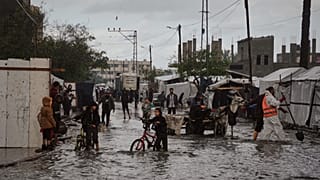
It highlighted a recent reduction in aid, the beginning of the typical cold and rainy winter, and the difficult circumstances people endure in overcrowded tent camps with inadequate food, clean water, and toilets.
This week, the United States warned Israel that it might cut off military aid if its ally does not do more to address the humanitarian crisis in Gaza.
Israel's military says slightly more than 5,800 tons of food have arrived in Gaza this month, compared to almost 76,000 tons in September.
Aisha Saliby, a woman forced to leave Gaza City, expressed her despair, saying," Our primary desire is for the fighting to stop. We do not seek food or drink. End the war and let us return home in safety."
In a statement released on Wednesday regarding a second shipment, the military announced that it will persist in following international law to help facilitate the entry of humanitarian aid into the Gaza Strip.
Israel has been in control of Gaza's entire land border since May.
The Israeli military organization overseeing civilian matters, known as COGAT, asserts that it imposes no limits on humanitarian aid entering Gaza and blames U.N. agencies and aid groups for delays in aid delivery.
In contrast, these organizations contend that their operations are greatly affected by Israeli restrictions, ongoing violence, displacement, and the deterioration of law and order in many regions.
In recent weeks, Israel has again mandated the evacuation of the northern third of Gaza and has launched a new major military operation there.
For approximately the first two weeks of October, no food was permitted to enter the northern area until shipments resumed on Monday.





00:55
Ghana condemns 'inhumane' treatment of travellers at Israel airport
01:41
Eritrean Biniam Girmay hired as lead cyclist for former Israeli team
Go to video
111 journalists killed in 2025, over 500 remain imprisoned
01:12
Mozambique: surge in violence displaces more than 100,000 people
01:50
German, Egyptian foreign ministers want full implementation of Gaza ceasefire
01:33
Israeli prime minister requests pardon on longstanding corruption case